

In this comprehensive guide, discover what thermal transfer ribbons (TTR) are, how their advanced multi-layer technology works, what they are used for, and how to select the right formulation for your application.
What is a thermal transfer ribbon (TTR)?
A thermal transfer ribbon (TTR) is a specialized printing consumable used in thermal transfer printers to produce high-durability barcodes, text, images, and graphics onto labels or flexible packaging.
Unlike direct thermal printing, which applies heat directly to thermo-sensitive paper that degrades over time, thermal transfer printing uses a heated printhead to melt ink from a ribbon onto a target substrate (paper, synthetic film, or textile). This process creates crisp, long-lasting, and highly readable prints capable of withstanding harsh environmental conditions.
How are thermal transfer ribbons made? (The 7 critical layers)
What appears to be a simple roll of thin film is actually a multi-layer chemical product composed of 7 critical elements:
The backcoat layer, PET carrier film, release layer, ink layer, leader, trailer, and core. For a detailed look at the chemical formulation, coating cleanrooms, and slitting processes, read our full article on how thermal transfer ribbons are manufactured.
- Backcoat layer: A specialized protective coating (often silicone-based) applied to the back of the ribbon. It remains in direct contact with the printer printhead, protecting it from friction, static build-up, and excessive heat, which prevents premature printhead failure.
- Polyester carrier film (PET): An ultra-thin, durable PET film that acts as the backbone or structure for all chemical coatings.
- Release layer: Situated between the PET film and the ink layer, this coating allows the ink to separate cleanly from the carrier film when heated by the printhead.
- Ink layer: Formulated with pigments combined with wax, resin, or a blend of both. This ink melts onto the substrate to create the final printed barcode or graphic.
- Leader: A protective PET strip attached to the beginning of the ribbon. It simplifies ribbon loading into the printer and protects the ink formulation prior to use.
- Trailer: A specialized end-of-roll film that signals the printer’s sensor to stop automatically when the ribbon reaches its end, avoiding printhead damage.
- Core: The central cardboard or plastic tube around which the ribbon roll is wound for smooth unrolling during high-speed printing.
What makes ARMOR-IIMAK thermal transfer ribbons different?
Not all thermal transfer ribbons are created equal. As a global leader in thermal transfer technology, ARMOR-IIMAK applies rigorous R&D standards to ensure maximum print performance and hardware protection:
- Proprietary backcoating: Engineered to minimize friction and prevent static build-up, extending the lifespan of your printer’s printhead.
- Guaranteed batch-to-batch consistency: We never substitute raw materials, ensuring identical print durability every time you reorder.
- Full regulatory compliance: Our ribbons meet global industry standards, including REACH, RoHS, indirect food contact regulations, and UL/cUL certifications for technical labeling.
What are thermal transfer ribbons used for? (Primary applications)
Thermal transfer ribbons are essential across numerous industries where label legibility, scannability, and environmental durability are mandatory:
- Warehousing & logistics: Printing shipping labels, pallet identification tags, and outer case barcodes. Ribbons ensure labels resist friction and abrasion during transit and handling.
- Healthcare & pharmaceuticals: Prescription labels, patient wristbands, blood bag tracking, and cryogenic vial identification. Ribbons provide critical resistance against alcohol, sterilization processes, and extreme freezing.
- Manufacturing & electronics: Printed Circuit Board (PCB) tracking, component labeling, and rating plates. Ribbons withstand soldering temperatures, solvents, and industrial cleaning agents.
- Food & beverage packaging: Expiration dates, batch numbers, and ingredient lists printed on flexible films (TTO) or cold-storage packaging. Provides food-contact compliance and smudge-proof legibility.
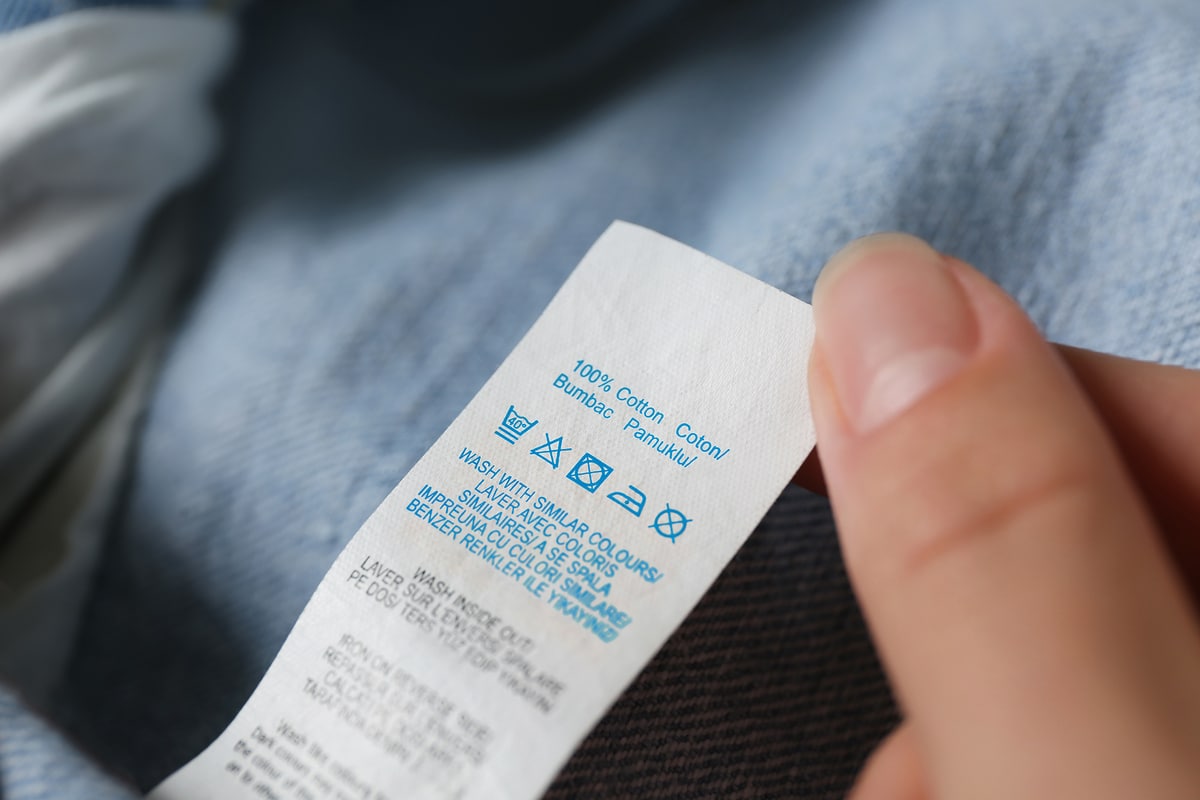
- Textiles & apparel: Garment care tags and washing instruction labels requiring resistance to industrial washing, dry cleaning, and high ironing heat.


What are the different types of thermal transfer ribbons?
Choosing the right ribbon formulation depends on the required label lifespan, substrate material, and environmental exposure:
1. Wax ribbons
- Best for: Uncoated and coated paper labels, cardboard, and standard retail tags.
- Key features: Economical, supports high print speeds, produces crisp black barcodes.
- Ideal usage: Short-term applications with minimal exposure to chemicals, moisture, or friction (e.g., standard shipping labels).

2. Wax-resin (mixed) ribbons
- Best for: Coated paper, synthetic materials (PP, PE), and glossy substrates.
- Key features: Combines the printability of wax with the resistance of resin.
- Ideal usage: Intermediate durability requirements, including outdoor shipping labels, pharmaceutical tracking, and retail shelf marking exposed to light friction or humidity.

3. Resin ribbons
- Best for: Pure synthetic substrates (PET, Polypropylene, Vinyl).
- Key features: Exceptional resistance to extreme temperatures, heavy abrasion, UV exposure, and harsh chemicals/solvents.
- Ideal usage: Chemical drum labeling (GHS compliance), automotive engine bay parts, electronics, and medical device identification.

4. Textile resin ribbons
- Best for: Fabric labels (Nylon, Satin, Polyester tags).
- Key features: Formulated specifically to endure domestic/industrial washing cycles, chemical detergents, and ironing heat.
- Ideal usage: Clothing care labels and textile tracking.

How to choose the right thermal transfer ribbon for my printer or label?
Selecting the ideal thermal transfer ribbon requires evaluating three core factors: target label substrate, printer specifications, and environmental conditions.
1. Match the ribbon to your label material (substrate)
- Paper labels (uncoated or coated): Use a wax ribbon for economical, general-purpose printing, or a wax-resin ribbon if higher smudge and abrasion resistance is needed.
- Synthetic labels (PE, PP, PET): Use a wax-resin ribbon for general indoor/outdoor synthetic packaging, or a resin ribbon for extreme durability against chemicals, outdoor exposure, or extreme heat.
- Textiles (satin, nylon): Use a dedicated textile resin ribbon to ensure prints survive industrial washing, detergents, and high-temperature ironing.
2. Check your printer specifications & hardware requirements
- Printhead technology (flat-head vs. near-edge): Flat-head printers and near-edge printers require different ribbon formulations. Near-edge ribbons are engineered to release ink rapidly at very high print speeds.
- Ink coating side (CSO vs. CSI): Confirm whether your printer requires Coated Side Out (CSO) or Coated Side In (CSI) ribbons. Loading the wrong side will prevent ink transfer and can damage the printhead.
- Dimensions & core size: Ensure the ribbon roll width, length, and core size (typically 0.5″ or 1″) fit your printer model. Rule of thumb: The ribbon should always be slightly wider than the label backing paper to protect the printhead edges from direct friction.
3. Consider environmental stress & durability needs
- Standard indoor/shipping environment: Wax.
- Moisture, outdoor handling, moderate friction: Wax-resin.
- Harsh chemicals, solvents, extreme temperatures (-196°C to +300°C), heavy abrasion: Resin.
Summary: Thermal transfer ribbon selection matrix
| Ribbon type | Substrate material | Durability level | Chemical / heat resistance | Common applications |
| Wax | Coated / uncoated paper | Standard | Low | Shipping, retail price tags |
| Wax-resin | Coated paper & synthetics | Medium | Moderate | Logistics, healthcare, horticulture |
| Resin | Synthetics (PET, PP, PE) | High / extreme | High to extreme | Automotive, chemical, electronics |
| Textile resin | Fabric / satin / nylon | High (washable) | High (detergents & ironing) | Apparel & care labels |
Direct thermal vs. thermal transfer: Which do you need?
| Criterion | Direct thermal (no ribbon) | Thermal transfer (with ribbon) |
| Lifespan | Short-term (weeks to months) | Long-term (years / permanent) |
| Durability | Sensitive to heat, UV, and friction | Highly resistant to chemicals, heat, UV, and abrasion |
| Substrates | Thermo-sensitive paper only | Paper, synthetic films (PET, PP, PE), textiles |
Printer compatibility & maintenance best practices
Thermal transfer ribbons are fully compatible with flat-head and near-edge printers from industry-leading manufacturers (such as Zebra, TSC, Sato, Intermec, and Citizen).
To optimize print performance and extend printhead lifespan:
- Adjust darkness & speed settings: Set the minimum printer heat required to achieve crisp image density without melting or tearing the ribbon.
- Clean printheads regularly: Use specialized printhead cleaning wipes or alcohol swabs between ribbon roll changes to prevent backcoating residue build-up.
- Store ribbons correctly: Keep ribbon rolls in their original packaging, away from direct sunlight, high humidity, and extreme temperatures to protect chemical integrity.
Thermal transfer printing is far more than a simple ribbon running through a printer—it is a precise chemistry engineered to protect your equipment and keep your supply chain moving. Choosing the right ribbon formulation ensures crisp barcode legibility, compliant labeling, and maximum printhead longevity, saving your business time and replacement costs.
As a global market leader in thermal transfer ribbon technology, ARMOR-IIMAK manufactures high-performance wax, wax-resin, resin, and textile ribbons tailored to your exact industry requirements. Whether you are labeling pharmaceutical products, outdoor industrial assets, or high-volume logistics pallets, our technical experts are here to help you select and test the ideal ribbon-label combination.
Need help choosing the right thermal transfer ribbon for your application? Contact an ARMOR-IIMAK expert today or request a custom quote to optimize your printing operations.